Understanding Male Potency and Sexual Health
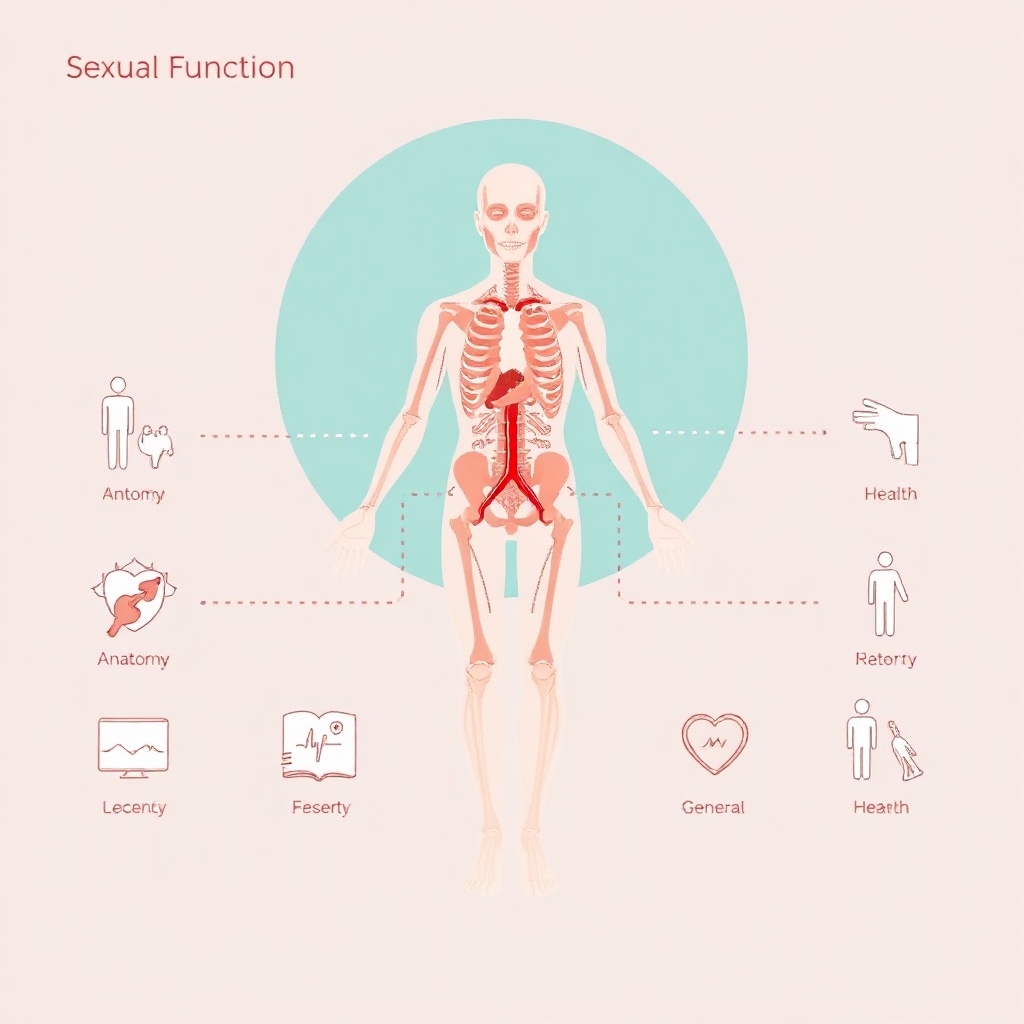
What Potency Means
An overview of potency (erectile function), including how blood flow, hormones, nerves, and psychological factors interact. Explains normal variability, common age-related changes, and signs that warrant medical attention without promising cures.

Lifestyle Factors & Prevention
Practical steps that support sexual health—regular exercise, balanced nutrition, adequate sleep, stress management, and reducing tobacco and excessive alcohol. Emphasizes prevention and realistic expectations.
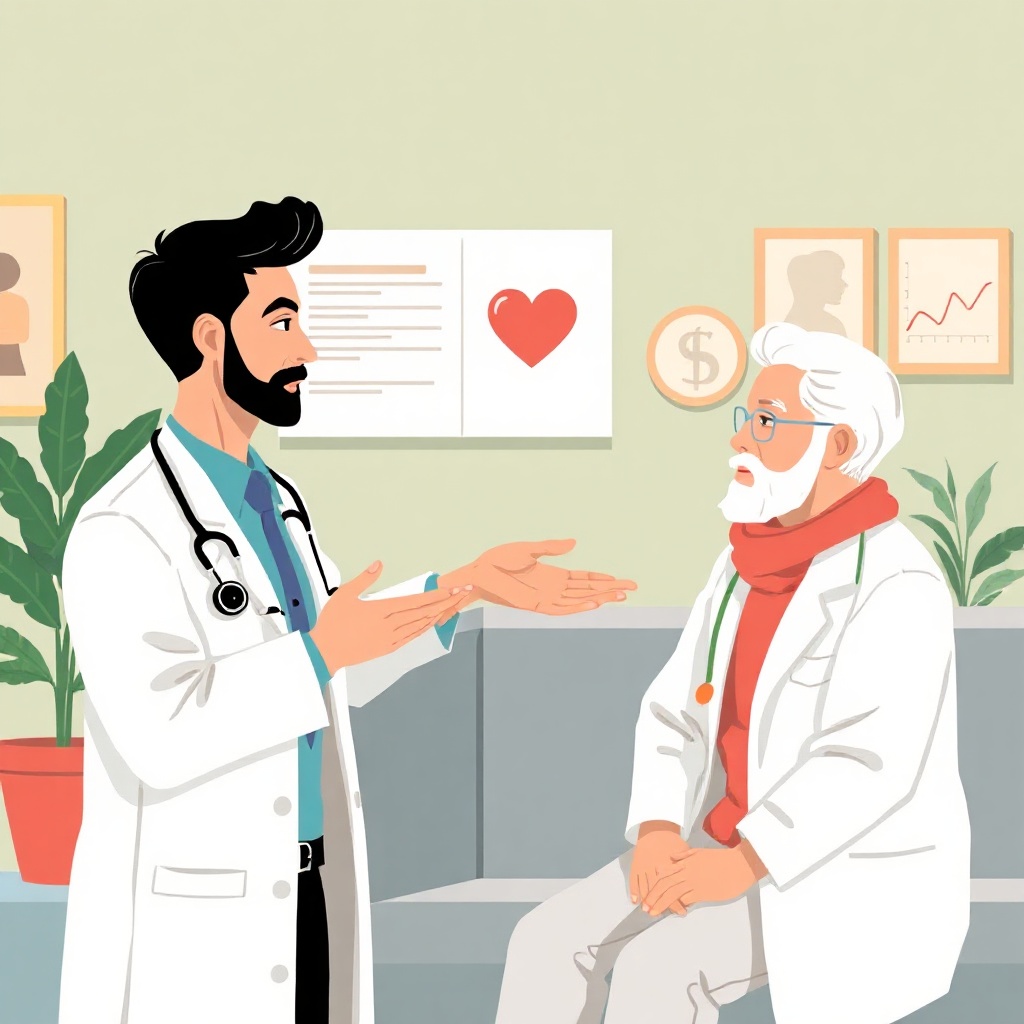
Medical Assessment
What to expect during a clinical evaluation: medical history, physical exam, and possible lab tests to identify underlying causes such as cardiovascular, hormonal, or neurological conditions. Encourages talking to a licensed healthcare provider for personalized advice.

Treatment Options & Support
Overview of commonly used approaches—behavioral therapies, lifestyle changes, counseling for relationship or performance anxiety, and medical treatments available through a clinician. Notes that effectiveness varies and treatment should be guided by a professional.